
Describe the property
Send the location, symptoms, equipment and access details. State whether the work is a repair, replacement or planned project.
Need duct cleaning in St. Thomas? Tell us which air ducts, dryer vent or ventilation equipment need attention. A responding provider will confirm coverage and availability before booking.
Get A Free QuoteCompare whole-system supply and return duct scopes. Note older, modified, or fragile runs and ask how access and cleaning methods will be adapted and documented.
View scopeDescribe the route from dryer to exterior hood, including rises, elbows, and concealed runs. Ask whether full-length lint removal and an airflow check are included.
View scopeAsk whether the proposed scope includes blower assembly removal, evaporator coil washing, and condensate drain clearing. Equipment configuration affects access and method.
View scopeIdentify HRV cores, screens, bathroom exhaust runs, and range hood ducts separately. Confirm which components and exterior terminations are included.
View scopeDescribe the odour and its likely context before considering treatment. Ask what cleaning comes first and request product and label-use details.
View scopePhotograph gaps, crushed sections, and modified runs. Ask how leaks will be located and whether repairs include sealing or replacement of damaged ductwork.
View scopeProvide building hours, equipment types, access requirements, and documentation needs. Confirm which duct systems and rooftop or make-up air equipment are included.
View scopeFor a commercial duct cleaning project in St. Thomas, gather the building type, occupied hours, ventilation equipment list, and any access or security requirements before requesting a scope. Offices, retail spaces, daycares, and workshops can have different duct layouts and rooftop equipment, so ask what systems and areas are included. If documentation is needed for a landlord, property manager, or insurer, specify the requested format in advance. After-hours work should be treated as a scheduling requirement to confirm, not an assumption.
Compare whole-system supply and return duct scopes. Note older, modified, or fragile runs and ask how access and cleaning methods will be adapted and documented. Describe the route from dryer to exterior hood, including rises, elbows, and concealed runs. Ask whether full-length lint removal and an airflow check are included. Ask whether the proposed scope includes blower assembly removal, evaporator coil washing, and condensate drain clearing. Equipment configuration affects access and method.
Identify HRV cores, screens, bathroom exhaust runs, and range hood ducts separately. Confirm which components and exterior terminations are included. Describe the odour and its likely context before considering treatment. Ask what cleaning comes first and request product and label-use details.
Photograph gaps, crushed sections, and modified runs. Ask how leaks will be located and whether repairs include sealing or replacement of damaged ductwork. Provide building hours, equipment types, access requirements, and documentation needs. Confirm which duct systems and rooftop or make-up air equipment are included.
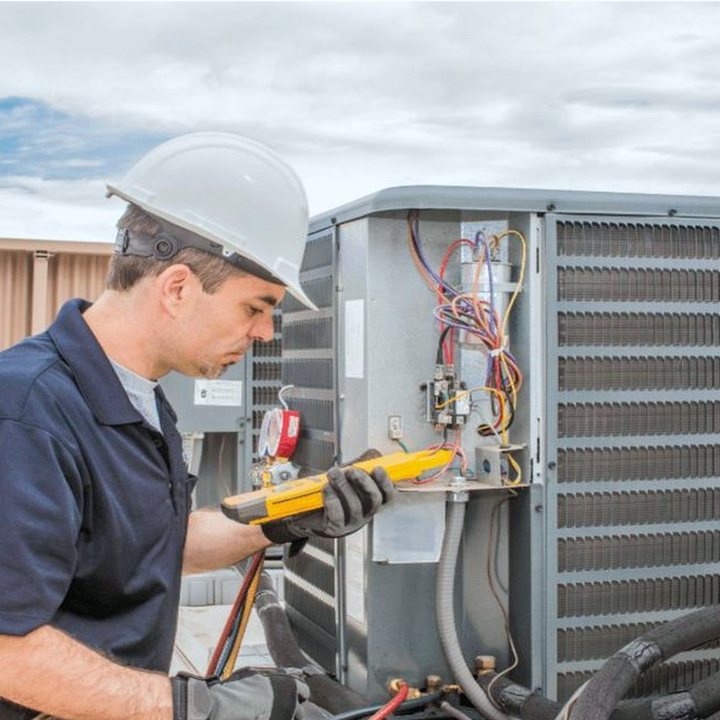
For a dryer vent cleaning project in St. Thomas, map the route from the dryer connection to the exterior hood. Note whether the vent rises, turns, passes through a wall cavity, or has a long run, since these details affect access and cleaning scope. If clothes take longer to dry or the exterior flap moves weakly, photograph the termination and tell the service provider what you have observed. Ask whether the full run and airflow at the hood will be checked.
Explore this serviceSend the location, symptoms, equipment and access details. State whether the work is a repair, replacement or planned project.
The request is reviewed so the responding provider can clarify the work, property access and service coverage.
Agree the provider identity, qualifications, written scope, pricing and visit window directly. Sending a form does not confirm an appointment.
If ducts are hidden, patched, or routed around additions, share photos and a sketch of the accessible system. Ask how potential leaks will be inspected or tested before sealing begins. Finding the actual leakage points helps determine whether the work needs mastic, reconnection, replacement, or further access.
If the run passes through older walls, rises vertically, or contains several elbows, provide those details before comparing quotes. Ask whether the scope includes the concealed length and the exterior hood, rather than only the short section behind the dryer. Route complexity affects the access plan and how the work can be verified.
If a bathroom fan runs but moisture lingers, or a range hood seems weak, identify the outlet and any accessible duct route. Ask whether cleaning covers the full run through to the roof or wall cap. A blocked or damaged termination can change the work required, so confirm how the outlet will be inspected.
If smoke, pet, or musty odours are noticeable, note which rooms are affected, when the smell is strongest, and whether it comes from a particular register. Ask what sources should be inspected beyond the ducts. This context helps determine whether treatment is relevant or whether another material or area may need attention.
If you want to assess the condition of the system, ask whether photographs can be taken from comparable locations before and after cleaning. Confirm which sections are accessible and what the images can reasonably show. Documentation helps you compare visible debris and understand any areas that could not be reached.
Use the form to describe the property, the symptoms and the work requested. For London, Aylmer, Belmont, Port Stanley, include your postal code so local coverage can be checked.
Use the listed places to find service information or start an inquiry. Include your property address or postal code so the provider can confirm coverage and scheduling.